

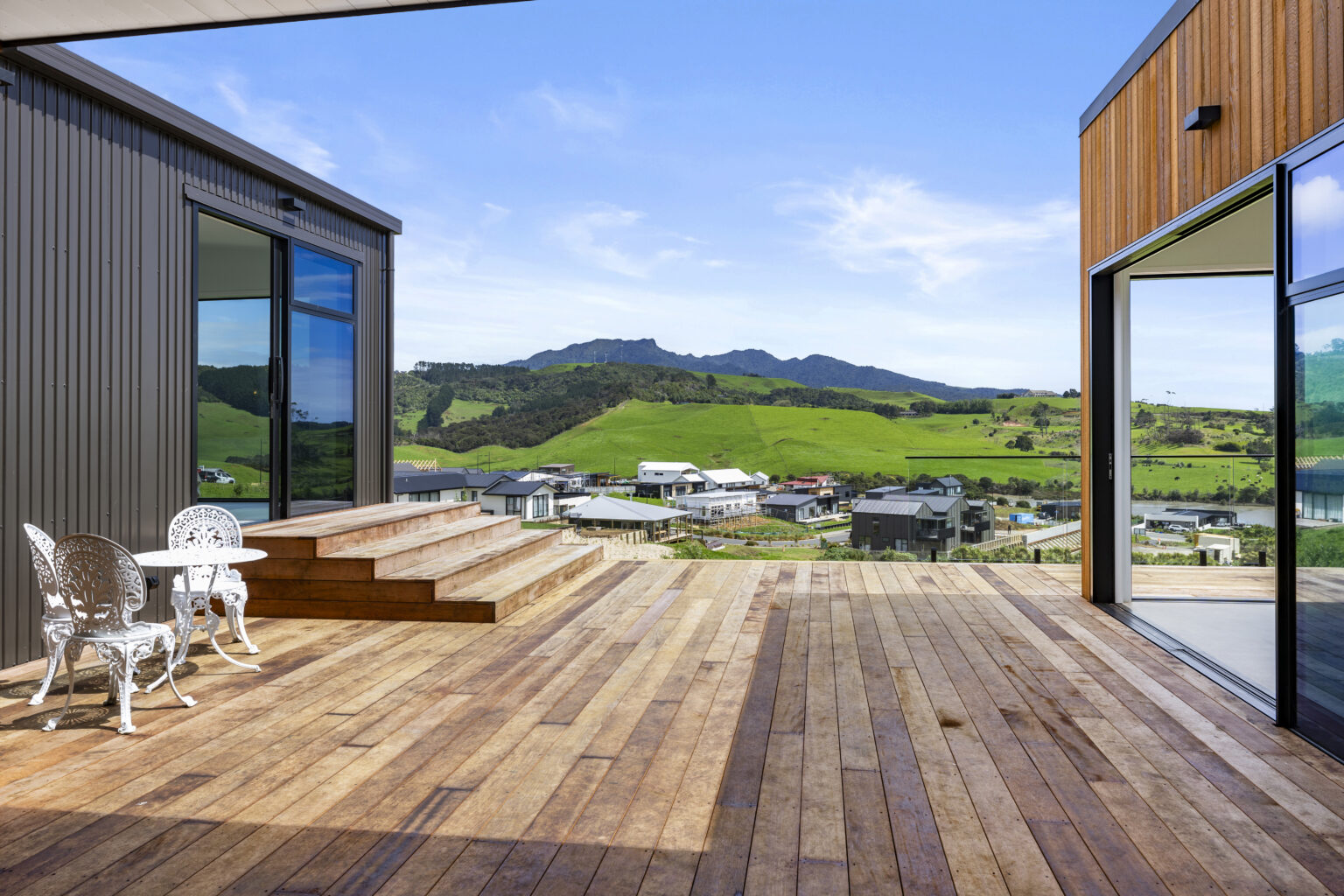
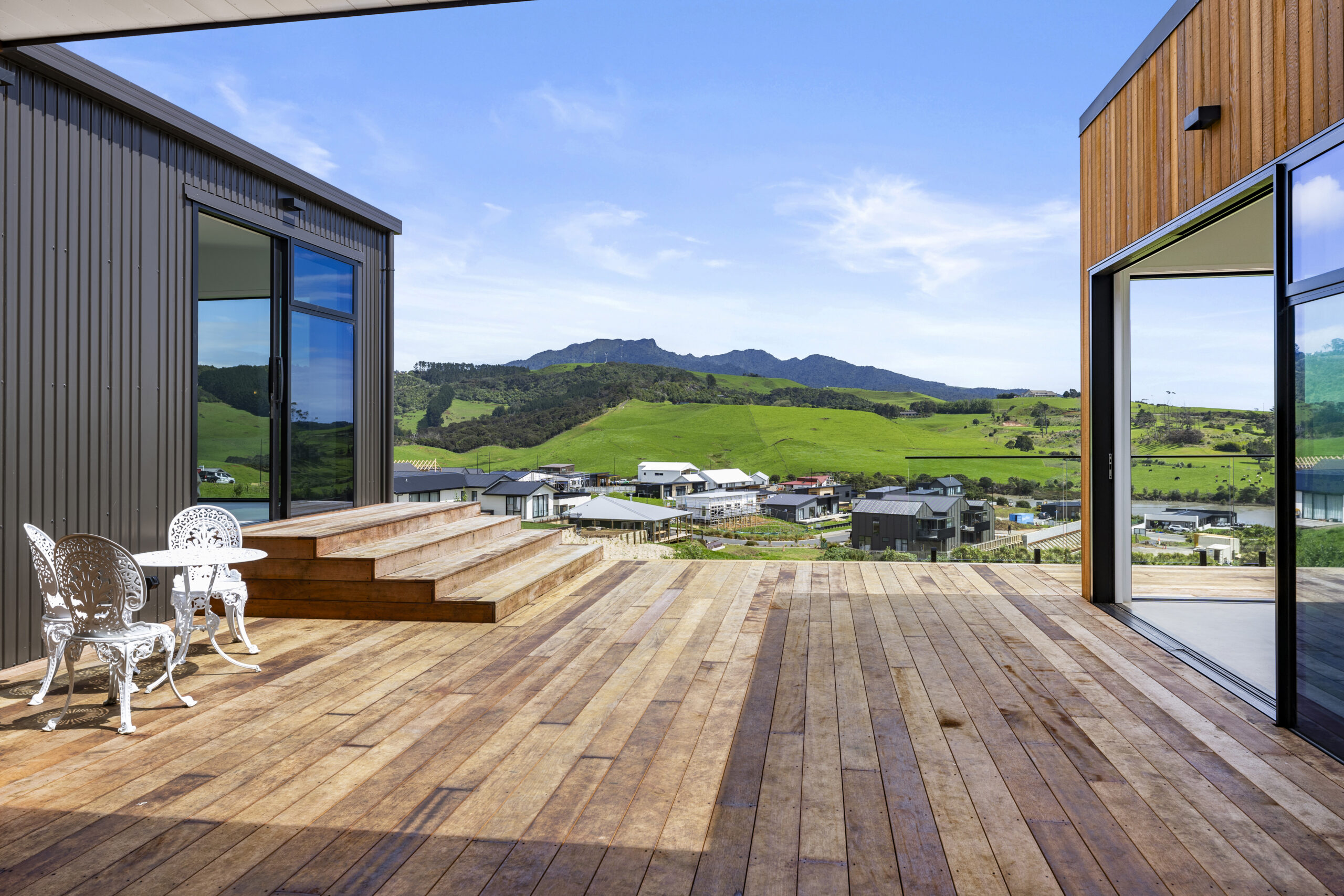
A deck is one of the few renovations you actually live on. Most days it works as a quiet extension of the lounge. On a Saturday it turns into the place where the family eats, the kids play, and the neighbours stay too long. And when it comes time to sell, it can be the single feature that pushes a buyer from “maybe” to an offer.
But not every deck adds value. A poorly built deck can drag a house down. Soft timbers, a sagging frame, dodgy flashings up against the cladding. Buyers spot it. Builders’ reports flag it. And the value you thought you were adding evaporates.
This guide is for Hamilton homeowners weighing up an outdoor renovation and wondering whether a professionally built deck is worth the spend. The short answer: yes, when it’s built properly. Here’s why craftsmanship and long-term durability matter more than the deck itself, and what to look for in the deck builders Hamilton homeowners trust to do the job right.
Quick answer: How much value does a deck add to a Hamilton home?
A professionally built deck can recover a significant portion of its build cost through improved property value, particularly when it enhances indoor-outdoor flow. The exact return depends on three things:
- Build quality. A compliant, well-engineered deck adds value. A cheap deck with a short lifespan adds risk, not value.
- Integration with the home. Decks that flow naturally from a living area (true indoor-outdoor living) consistently outperform standalone platforms.
- Materials and finish. Quality timber, hardwood, or composite decking with proper detailing reads as a long-term asset to buyers.
A Hamilton home with a tired backyard and a $25,000 deck renovation will often evaluate noticeably higher than the same home without one. More importantly, it sells faster and to a wider pool of buyers, because lifestyle features close deals in the Waikato market.
Why a professional deck is a property investment, not a purchase
Most homeowners think of a deck as a thing they buy. Decking boards, joists, fixings, a builder for two weeks. That framing is part of the problem. Cheap decks fail because they’re built to that mindset.
A professional deck is a structural asset attached to your house. It carries weight, sheds water, breathes, expands and contracts through the seasons, and ties into your cladding, your steps, and often your roofline. Done well, it’s a 25 to 30 year investment that grows in value alongside the rest of the property. Done poorly, it’s a maintenance bill waiting to be handed over to whoever buys next.
That’s the gap quality deck builders in Hamilton fill. The work that gets buried, the bracing, the bearer spacing, the flashing tape behind the ledger board, is exactly the work that determines whether your deck is still standing strong in 2046 or being ripped out at the new owner’s expense.
What “quality craftsmanship” actually means in a Hamilton deck
Craftsmanship is one of those words that gets used a lot and explained almost never. When we say a deck has been built to a high standard, here’s what we actually mean.
Subframe and structural integrity
The frame is the part you never see and the part that matters most. Good builders use H4 or H5 treated timber for ground-contact bearers and posts, set on proper concrete footings sized for the load. Joist spacing matches the decking material being used (composite needs tighter centres than 32mm hardwood, for example). Bearers are doubled where spans demand it. Bracing is added rather than assumed.
A cheap deck cuts corners here because no one looks. Six years later the deck bounces, the boards cup, and the cause sits hidden under the surface.
Drainage and ventilation
Decks fail from water. Not the rain that hits the boards, but the water that gets trapped underneath, behind, or up against the house. A professional deck has clear airflow under the frame, gaps between boards sized for the timber’s movement, and proper falls so water runs away from the house rather than pooling against the cladding.
This matters enormously in Hamilton, where humidity and seasonal rain put outdoor structures through a slow, constant test.
Fixings, flashings, and the cladding interface
The point where a deck meets the house is where most amateur builds go wrong. A ledger board lag-bolted directly to the cladding without flashing tape will, eventually, push moisture into the wall cavity. By the time that shows up as a stain inside, the damage is significant.
Quality deck builders flash the ledger, weatherproof every penetration, and detail the join so water can never sit against the building paper. They use stainless or hot-dip galvanised fixings rated for the timber’s treatment level. They counter-sink, plug, or use hidden fasteners on visible boards so the deck looks like one piece, not a thousand screw heads.
Finishes that age well
A deck’s first year always looks good. The test is year five and year fifteen. Quality oils, stains, or factory-coated composites resist UV and water far better than cheap finishes. Hardwood species like kwila, vitex, and garapa develop a silver patina that buyers love, but only if the timber underneath them is the right grade.
Built for the Hamilton climate: durability that lasts decades
Hamilton sits in a humid inland climate with cold, damp winters and warm summers. Decking timber moves a lot here. UV is strong enough to dry boards out in summer; humidity keeps them swollen in winter. Without the right specification, a deck can warp, cup, or split inside three years.
Local deck builders know this. They specify materials suited to Waikato conditions, detail for water shedding rather than collection, and use fasteners that won’t streak or rust. They also know which timbers move and which sit still, which finishes work and which fail.
The durability difference is enormous. A deck built to Auckland-coastal specs in a Hamilton inland climate, or worse, built without thinking about climate at all, may need a full re-board within a decade. A deck specified for Waikato conditions can run 25 to 30 years on the same boards with appropriate maintenance and periodic recoating.
One of the most common problems we see on older Hamilton decks is slippery, shaded timber that never properly dries through winter. South-facing sections, poor drainage, and tight board spacing create the perfect environment for moss, black mould, and surface deterioration. A professionally built deck is detailed to avoid those issues from day one, with proper airflow under the frame, falls that shed water away from the house, and materials suited to Waikato conditions. Safety matters too. Well-built stairs, compliant balustrades, and slip-resistant surfaces are not just about meeting code — they are part of building a deck that still feels safe and solid 15 years from now.
That difference is the entire reason a professional deck adds value. Buyers, valuers, and builders’ reports all reward longevity.
Indoor-outdoor living: why decks sit at the centre of modern Hamilton homes
The Hamilton property market has shifted hard towards homes that blur the line between inside and outside. Bifolds, sliders, single-level flow, decks that meet the floor of the lounge with no step. This is what buyers look for now, and it’s what valuers price in.
A deck that connects properly to the house is functionally another living room for nine months of the year. That’s what makes indoor-outdoor living renovation one of the highest-return moves a Hamilton homeowner can make. You’re not just adding a deck. You’re adding floor area that the family actually uses.
The integration details matter:
- Floor levels. A deck that sits 100mm below the lounge floor breaks the connection. A deck that sits flush, with a recessed channel for water, feels like the room continues outside.
- Roof line and shade. A pergola, louvre roof, or extended eave makes a deck usable on a 30-degree day or a drizzly Sunday lunch. Without shelter, usage drops sharply.
- Bifold or stacker doors. Wide opening sets that pull right back are what make the integration feel real.
- Sight lines from the kitchen. If you can’t see the deck from where you cook, the family won’t use it the way they could.
This is where exterior renovation in Hamilton stops being a deck job and becomes a property-value strategy. A small extension of the existing living area, a louvre roof over a quality deck, and a wider stacker door can lift a four-bedroom Hamilton home noticeably in the eyes of every future buyer.
How to choose the right deck builders in Hamilton
Not all deck builders are the same. Some are specialist deck-only crews. Some are general builders who add decks between bigger jobs. A few do quality renovation work where decks fit naturally into a wider exterior brief.
When you’re getting quotes, look for these signals:
- They ask about the house, not just the deck. A good builder wants to know about your cladding, your floor levels, the way water moves around your section, and how you actually plan to use the space.
- They show you frame photos, not just finished decks. Anyone can post a pretty hardwood platform. The frame underneath is what tells you who built it well.
- They quote in detail. Timber grade, joist spacing, footings, fixings, flashing detail. A one-line “build deck $18,000” tells you the corners are already being cut.
- They’re licensed and insured. Licensed Building Practitioner status is a baseline, not a bonus. Decks over 1.5 metres typically need consent in Hamilton, and you want a builder who handles that confidently.
- They warranty the work. A real warranty on workmanship and materials is what you’d expect from any 25-year asset attached to your home.
- They’ve done other renovations on Hamilton homes. Local context matters. A builder who knows Hamilton’s older bungalows, 90s brick-and-tile homes, and newer subdivisions builds better decks because they understand the houses.
Cost vs. value: a quick comparison
| Approach | Typical Cost (Hamilton) | Typical Lifespan | Property Value Impact |
| Budget DIY or cheap-quote deck | $8,000 to $15,000 | 5 to 10 years | Often neutral or negative once buyers spot issues |
| Mid-range builder, basic spec | $15,000 to $25,000 | 10 to 15 years | Modest value lift, fades over time |
| Quality professional deck | $25,000 to $45,000+ | 25 to 30 years | Strong value lift, recoups build cost and adds lifestyle premium |
| Indoor-outdoor living renovation | $40,000 to $80,000+ | 25 to 30 years | Often the highest ROI exterior renovation a Hamilton home can make |
Numbers are indicative and depend heavily on size, materials, and site conditions. The point is the spread. The difference between a cheap deck and a quality one is rarely double the cost, but it’s often ten times the lifespan and a much stronger lift on property value.
How long does a quality deck last in Hamilton?
A professionally built deck in Hamilton, using quality H4 or hardwood timber and proper detailing, typically lasts 25 to 30 years before any major work is needed. Annual maintenance is light: a wash, a recoat of oil or stain every two to three years, and the occasional fixing check. Composite decks can run longer with even less upkeep, though they cost more upfront.
A poorly built deck, by contrast, often shows real problems inside five to seven years. Cupped boards, sagging joists, rot at the ledger, or movement under foot are all signs the build wasn’t done right.
What to do next
If you’re thinking about a deck, indoor-outdoor renovation, or wider exterior renovation in Hamilton, the best starting point is a proper site visit and a no-obligation quote. A good deck builder will spend 30 to 45 minutes at your home looking at the existing structure, the way the section sits, your living area, and what you’re actually trying to achieve before talking numbers.
We do exactly that.
If you’d like a quote from a Hamilton deck builder who treats the work as a property investment rather than a quick weekend job, get in touch with the team at Reno Guys. We’ll come look at your home, listen to what you want, and put together a clear plan with real costs, real timelines, and a real warranty on the work.
Request your free deck consultation. Hamilton-wide, no obligation, no pressure.
Frequently Asked Questions
Do I need consent to build a deck in Hamilton?
Most decks under 1.5 metres in height with no roof don’t require consent in Hamilton, but anything taller, anything attached to the dwelling, anything with a roof, or any deck on a sloping section often does. A licensed deck builder will confirm consent requirements before quoting and handle the council process if needed.
What’s the best decking timber for Hamilton’s climate?
For most Hamilton homes, hardwoods like kwila, vitex, and garapa perform very well, as does H4 treated pine for budget-conscious builds. Composite decking is increasingly popular for its low maintenance and dimensional stability. The right choice depends on your sun exposure, budget, and how much maintenance you want to do.
How long does it take to build a deck?
A standard deck of 20 to 30 square metres typically takes one to two weeks to build, weather permitting. Larger indoor-outdoor living renovations involving roofs, doors, or structural changes can take four to eight weeks. Council consent, where required, adds two to four weeks to the timeline before work begins.
Will a new deck actually help me sell my house?
Yes, when it’s built well and integrates with the home. Hamilton buyers consistently rate outdoor living among their top three priorities. A quality deck increases your home’s perceived size, broadens the buyer pool, and reduces the time your home spends on the market. A poor deck, however, can hurt a sale by raising flags in builders’ reports.
Can you renovate an existing deck instead of replacing it?
Sometimes, yes. If the subframe is structurally sound and the footings are good, replacing tired boards and updating the rail and finish can deliver an excellent result for a fraction of a full rebuild. A site visit is the only reliable way to tell. If the frame is failing, replacement is almost always the better option.
What does a deck typically cost in Hamilton?
A professionally built deck in Hamilton generally falls between $25,000 and $45,000 for a quality build, depending on size, materials, height, and roofing. Indoor-outdoor living renovations that include roofing, doors, or structural changes typically range from $40,000 upwards. A detailed quote is essential because every site is different.