

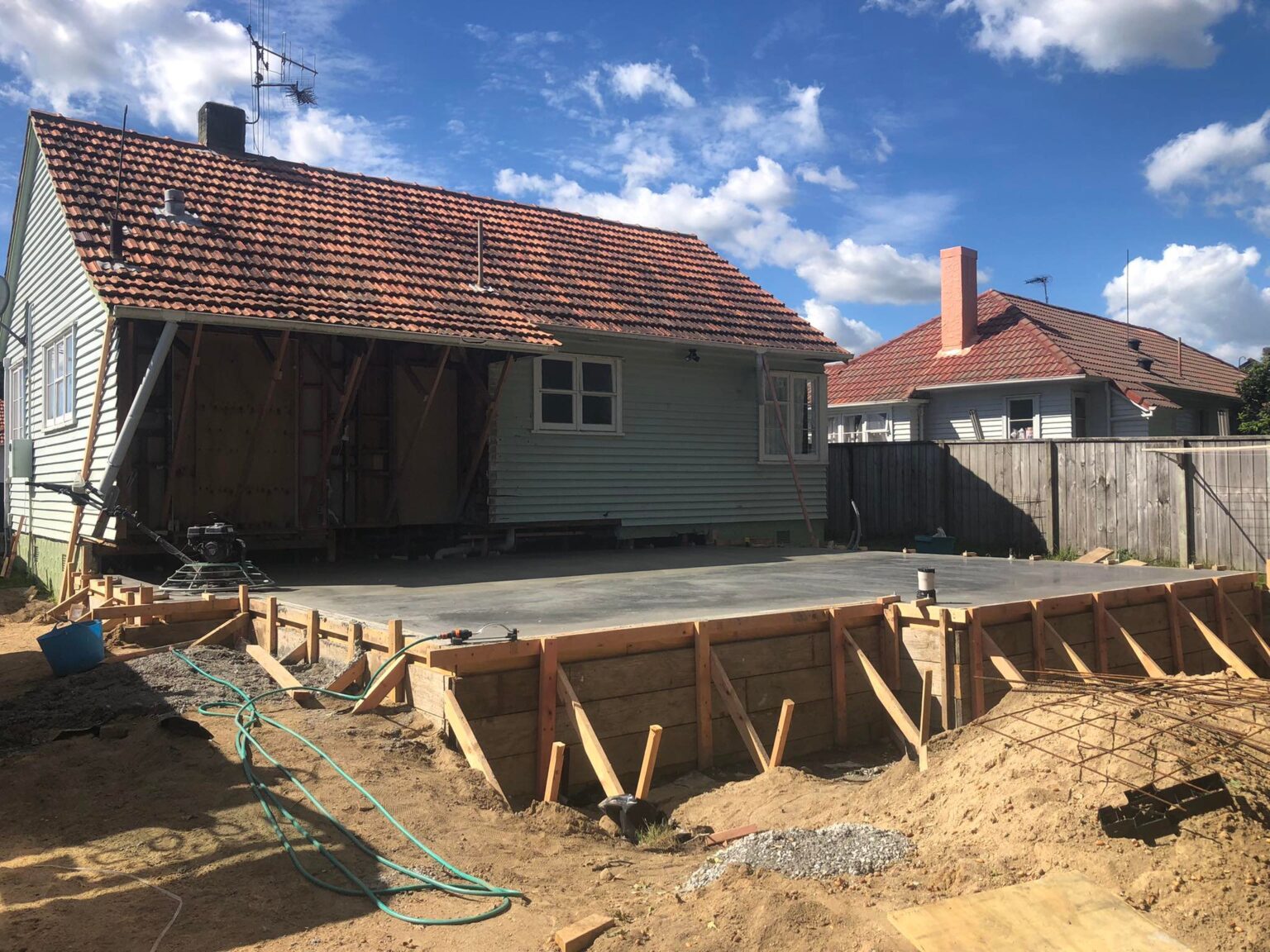
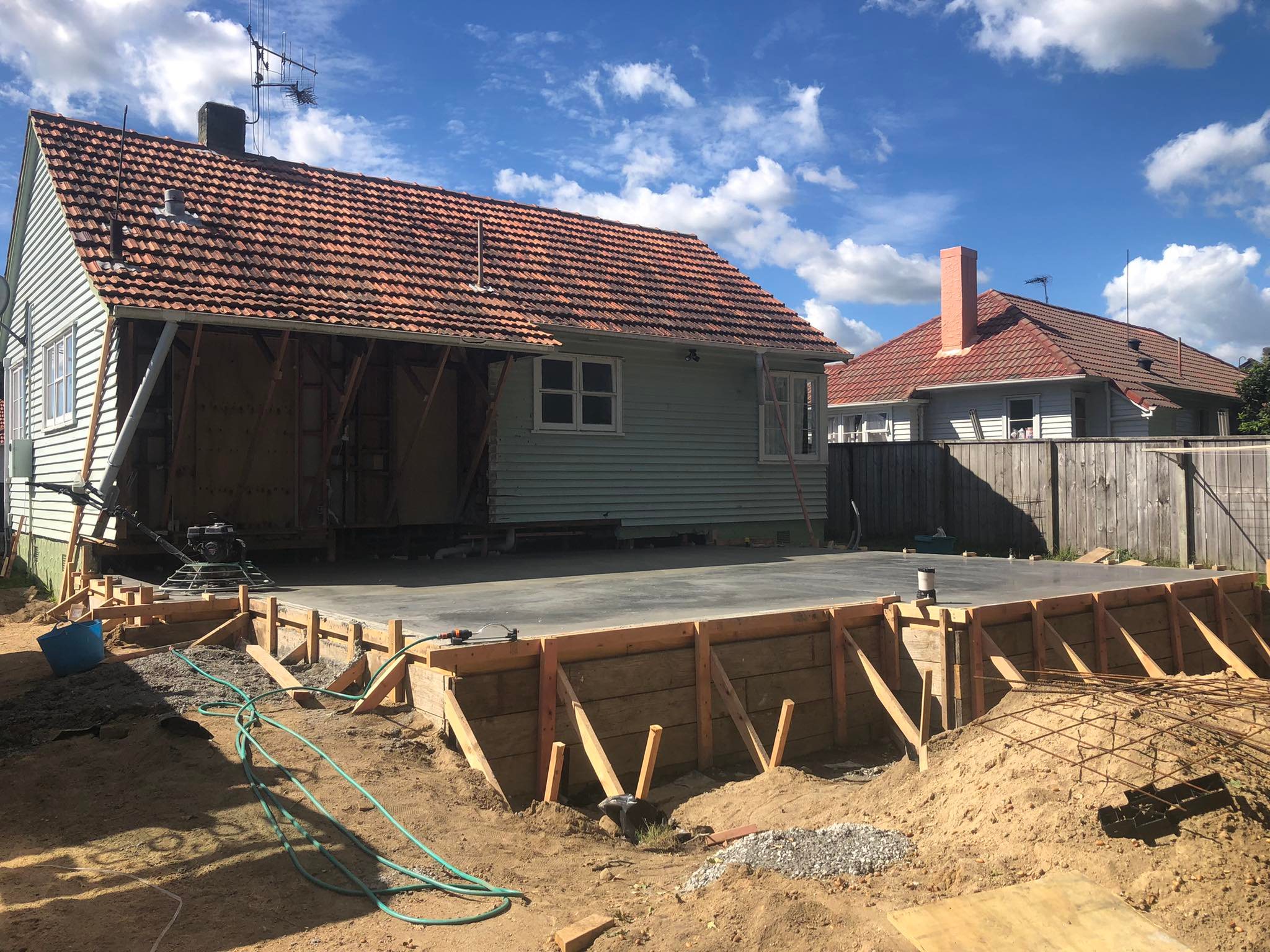
Your family is growing. Or you’re working from home and the kitchen table just isn’t cutting it anymore. Maybe you bought the house for the location, not the size, and now you’re finally ready to do something about it.
Whatever brought you here, a house extension in Hamilton is one of the most practical ways to get more space without uprooting your life. You keep the street you know, the school zone you chose, and the neighbours you (hopefully) like.
This guide covers everything you need to think through before starting: the types of extensions available, what they cost, whether you need council consent, and how to choose the right builder for the job.
What Type of House Extension Do You Need?
Not all extensions are the same. The right option depends on your section size, your budget, and what you’re actually trying to achieve.
Single-Storey Rear Extension
The most common choice for Hamilton homes. You extend out the back of your house, typically adding a new living area, bedroom, or open-plan kitchen/dining space. Works well on standard suburban sections where the rear yard has room to absorb the footprint.
Double-Storey Extension
Adds space on two levels, which makes sense when your section is tight but your budget allows for more building. Costs more to build but gives you the most additional floor area per square metre of land used. Good for adding bedrooms above while expanding living areas below.
Side Return Extension
Many older Hamilton homes (especially villas and bungalows) have a narrow side passage that’s functionally useless. A side return extension fills this gap, widening the kitchen or living room without extending far into the garden. The result can feel like a completely different home.
Garage Conversion
If you have an integral or attached garage you’re not using for cars, converting it is usually the lowest-cost way to add habitable space. Insulation, flooring, and weatherproofing are the main costs. Many Hamilton homeowners use this route to create a home office, teenager’s retreat, or extra bedroom.
Second Storey Addition
Adding a full second storey to a single-level home is a bigger project but sometimes the only realistic option on a small section. Requires structural assessment of the existing foundations and framing, and typically involves a period of significant disruption while the roof is off.
How Much Do House Extensions Cost in Hamilton?
Here are realistic price ranges for Hamilton and Waikato, based on current build costs:
| Extension Type | Typical Range |
| Single-storey rear extension (20-30m²) | $80,000 – $150,000 |
| Double-storey extension | $150,000 – $280,000+ |
| Garage conversion | $75,000 – $175,000 |
| Second storey addition | $200,000 – $350,000+ |
These are rough guides. The actual cost depends on the spec of finishes, site access, whether any structural work is needed, and the current cost of materials and labour.
A few things that push costs up: complex rooflines, the need to match existing weatherboards or heritage materials, poor site access for machinery, and significant alterations to existing structure.
Our advice: Get a proper scope of work drawn up before asking for quotes. Builders who quote on vague briefs end up varying the price later. The more specific the plans, the more reliable the quote.
Do You Need Building Consent for a House Extension in Hamilton?
Yes, almost certainly. Any structural building work in New Zealand requires building consent from your local council, which for Hamilton is the Hamilton City Council.
The consent process involves:
- Getting plans drawn up (usually by a draughtsperson or architect)
- Submitting the consent application with the required documentation
- Waiting for approval (currently 20 working days by law, though it can take longer)
- Starting construction once consent is granted
- Booking inspections at key stages
- Receiving a Code Compliance Certificate (CCC) at the end
Some very minor work falls under exemptions in Schedule 1 of the Building Act, but extensions rarely qualify. If your extension is close to a boundary, there may also be resource consent implications under the Hamilton City District Plan.
A good builder will walk you through the consent process and can recommend draughtspeople they’ve worked with before. Some design-and-build firms handle consent as part of their service.
Don’t skip this. Unconsented work creates real problems when you sell the property, and it can be costly to fix after the fact.
How Long Does a House Extension Take?
From first conversation to moving in, here’s a realistic timeline:
Design and planning: 4-8 weeks Getting drawings done, finalising the scope, and agreeing on a contract.
Council consent: 6-12 weeks The statutory timeframe is 20 working days, but applications with missing information get put on hold. A well-prepared application from an experienced builder moves faster.
Construction: 8-16 weeks Depends heavily on the size and complexity of the project. A straightforward rear extension on a good site can move quickly. A second storey with structural alterations takes longer.
Total from decision to done: roughly 5-7 months for most projects. Build this into your planning, especially if you’re working around school terms, tenant arrangements, or a family event.
What to Look for in a Home Addition Contractor
The quality of your builder matters more for extensions than almost any other type of project. Extensions involve tying new structure into existing structure, which requires real skill to do properly. Get it wrong and you end up with leaks, cracks, or movement years down the track.
Here’s what to look for:
Licensed Building Practitioner (LBP): Required for restricted building work in New Zealand. Any structural work, weathertightness work, or work on buildings with household units must be carried out or supervised by an LBP. Check the register at lbp.govt.nz.
Renovation-specific experience: General builders who mainly do new builds aren’t always the right fit for extensions. Renovating and extending existing homes is a different skill set. Ask specifically about extensions they’ve completed, and ask to see photos.
Project management: Extensions involve multiple trades (builders, electricians, plumbers, plasterers, painters). You want a builder who manages the whole job and keeps trades coordinated, not one who hands you a list of subcontractors to call yourself.
Local knowledge: Building in Hamilton means knowing the soil conditions in different suburbs, the typical construction of different eras of housing, and the quirks of getting consents through Hamilton City Council. Local experience matters.
References: Ask for references from recent extension projects specifically, not just general renovation work. Follow up on them.
Why Hamilton Homeowners Choose Extensions Over Moving
The maths often work out in favour of extending rather than selling and buying something bigger.
When you sell and buy in Hamilton’s market, you’re looking at real estate agent fees (typically 2-3.5% of sale price), legal costs, moving costs, and potentially a higher mortgage on the new property and then add the cost of leaving a home you’ve set up the way you want it.
A well-executed extension adds value to your property and gives you exactly the space you need, where you need it. The design is tailored to how your family actually lives, not a compromise you inherit from someone else’s choices.
It’s not always the right answer. If the house itself is wrong for you (wrong suburb, wrong school zone, layout that can’t be fixed), moving makes sense. But if you love where you are and you just need more space, extending is worth serious consideration.
Get a Free Consultation on Your Extension
The Reno Guys have been extending homes across Hamilton and Waikato since 2013. We’re specialists in residential renovations and extensions, not generalist builders, and every project is managed by Dan personally.
If you’re thinking about a house extension, the best first step is a conversation. We’ll come to your home, take a look at what’s possible, and give you honest advice on scope, cost, and process before you commit to anything.
Book a Free Consultation or call us on 021 855 444.
Frequently Asked Questions
How much does a house extension cost in Hamilton? Costs vary by type and size. A single-storey rear extension typically runs $80,000 to $150,000 for a 20-30m² addition. Double-storey extensions and second storey additions cost more, from $150,000 upwards. Garage conversions are the most affordable option, often $25,000-$60,000 depending on scope.
Do I need council consent for a house extension in Hamilton? Yes, for almost all structural extensions. You’ll need building consent from Hamilton City Council before work starts. Your builder should handle this process with you or recommend a draughtsperson to prepare the plans.
How long does a house extension take in Hamilton? Allow 5-7 months from initial consultation to completion for most projects. This includes design (4-8 weeks), consent (6-12 weeks), and construction (8-16 weeks). Larger or more complex projects take longer.
What is the best type of extension for a small section? On a small section, a double-storey extension or second storey addition gives you the most extra floor area without losing much yard space. A side return extension is also worth considering if there’s a narrow side passage alongside the house.Can The Reno Guys handle the full project including consent? Yes. We manage the full project including coordination with your draughtsperson for plans and submission to council. You don’t need to manage multiple contractors yourself.