

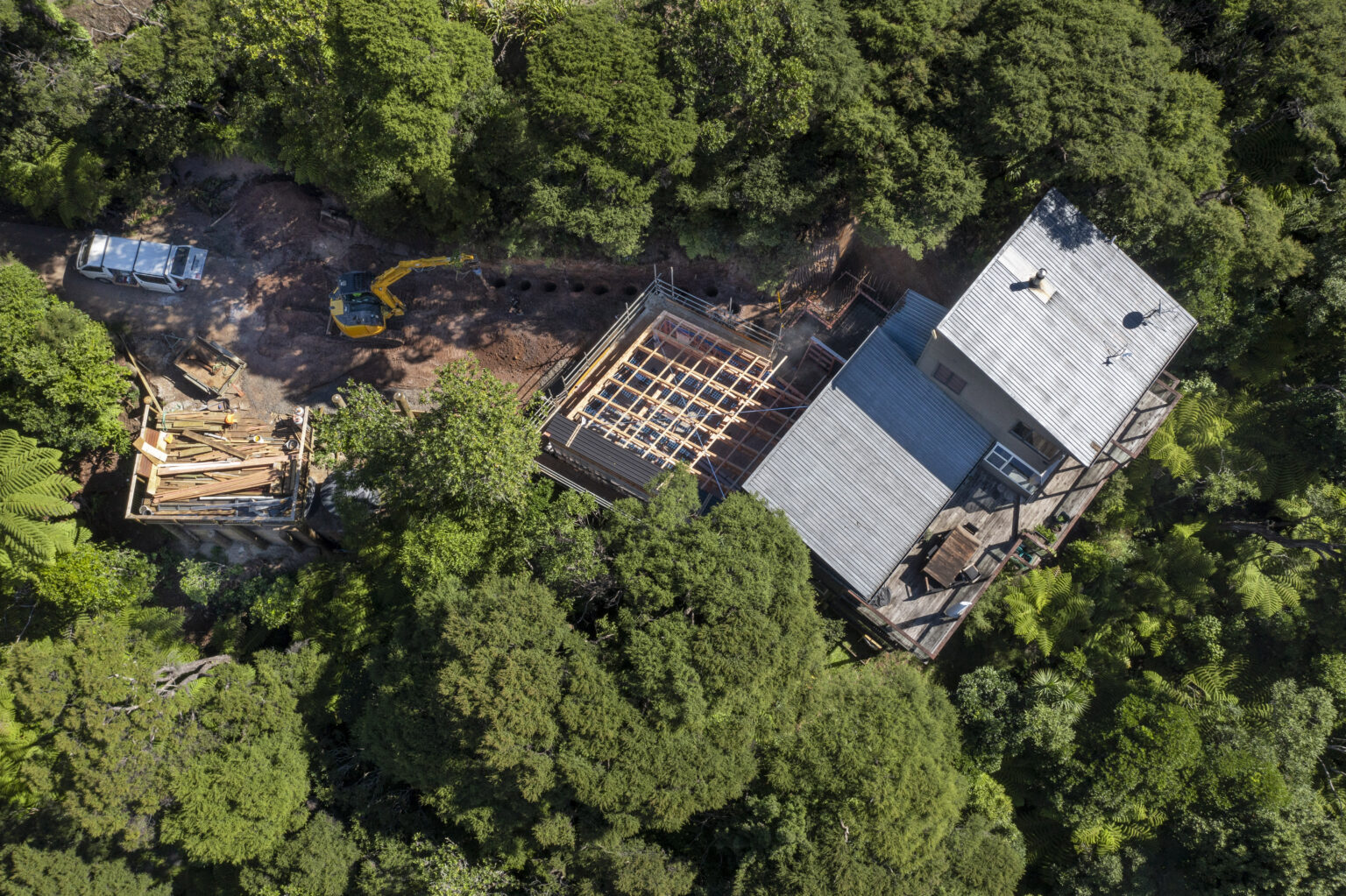
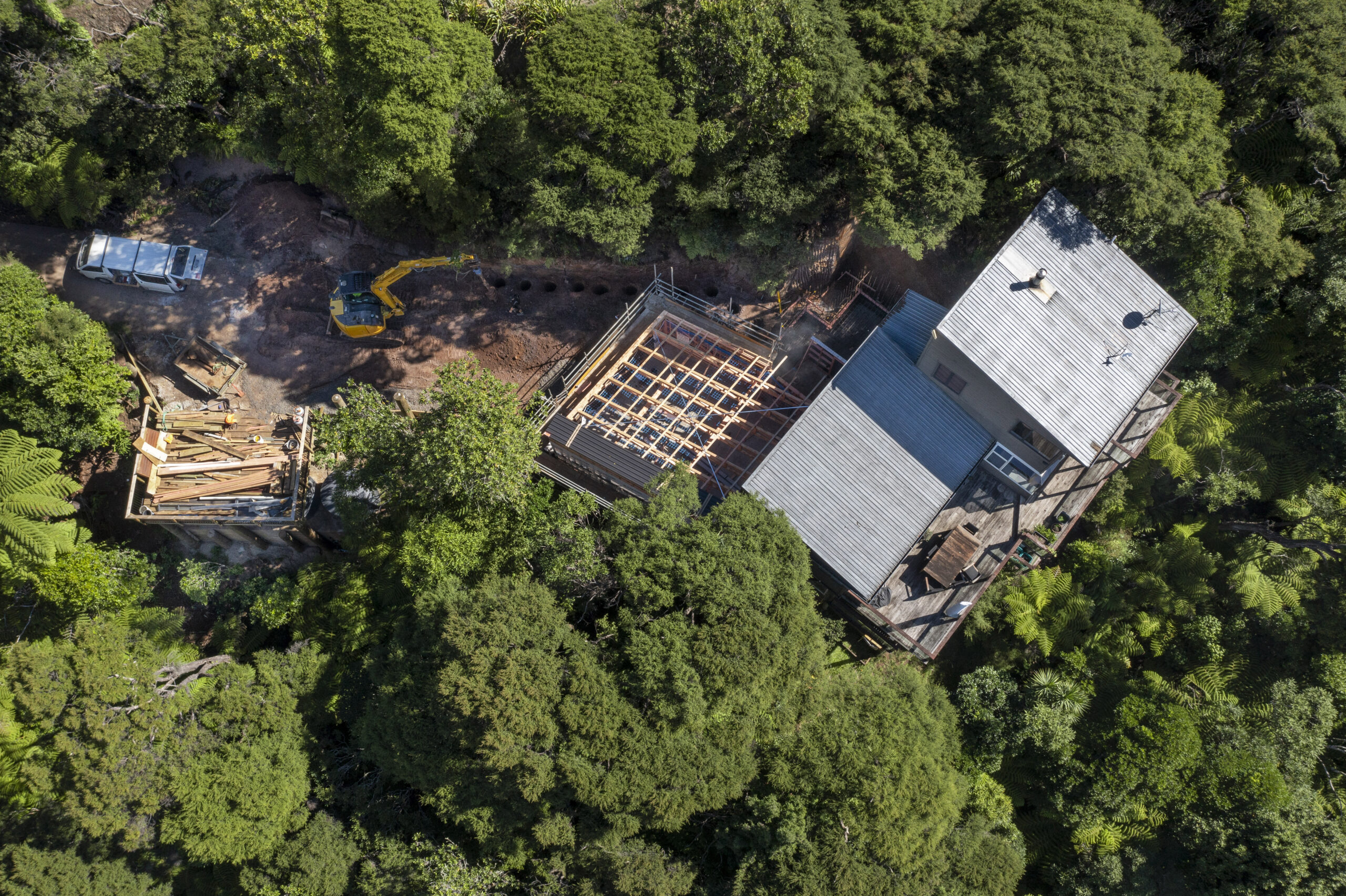
Running out of room? You’re not alone. Across Hamilton, families are stretching into bedrooms, kitchens, living areas (and sometimes all three) as their homes struggle to keep pace with their lives.
A home extension is one of the most practical ways to create the space you need without the disruption and cost of moving. But knowing where to start, how much to budget, and whether you need council consent can feel overwhelming before you’ve even spoken to a builder.
This guide covers everything Hamilton homeowners need to know about residential extension services: design options, real cost ranges, the planning process, and what to watch out for.
What is a Home Extension?
A home extension adds usable floor space to an existing property. This can be a single room added to the side or rear of the house, a second storey built above the existing structure, or a full reconfiguration that opens up and extends the ground floor.
Extensions are different from interior renovations, which work with the existing footprint. When you extend, you’re growing the building itself. That means more planning, consents, and coordination, but also a permanent increase in your home’s size and value.
Why Hamilton Families Choose Extensions Over Moving
The case for extending rather than selling and buying again is strong right now. Here’s what we typically hear from families who’ve gone through the process:
The costs compare favourably. Real estate agent fees, legal costs, stamp duty equivalents, and the premium you’d pay for a larger home in a good suburb add up fast. A well-designed extension often costs significantly less than the difference in property value between your current home and the next one up.
You keep your neighbourhood. Your kids are settled in their school. You know your neighbours. Your commute works. Extensions let you stay where you want to be, with more room to breathe.
You get exactly what you want. Buying an existing home means compromising. Building an extension means designing to your specific needs: the right number of bedrooms, the right layout, the right finishes.
Common Types of Home Extensions in Hamilton
Ground-Floor Rear Extension
The most common type. Works by pushing the back of the house out toward the section. Often used to create open-plan kitchen and living spaces, add a family room, or extend a master suite.
Best suited to: Properties with usable rear yard space, older homes where the existing footprint is too compact for modern living.
Side Extension
Extends the house outward to one side. Works well for adding a bedroom, bathroom, or utility room without taking from the backyard.
Best suited to: Corner sections, or properties where the rear is too close to neighbouring properties.
Second-Storey Addition
Adds a full or partial second floor above the existing ground level. Often the most cost-effective way to significantly increase floor area when the section doesn’t allow outward expansion.
Best suited to: Properties with smaller sections, or where downstairs living space is already well-configured.
Garage Conversion with Extension
Converts an existing attached garage into living space while adding new garage or storage elsewhere. Popular way to gain a bedroom or rumpus without heavy structural work.
Best suited to: Homes where the garage is underused and direct access to the house already exists.
How Much Do Home Extensions Cost in Hamilton?
Cost varies widely depending on size, design complexity, materials, and site conditions. The figures below are indicative ranges for Hamilton and the Waikato region as of 2026.
| Extension Type | Typical Cost Range |
| Single-room rear or side extension (20–40m²) | $80,000 – $150,000 |
| Open-plan kitchen/living extension (40–60m²) | $150,000 – $250,000 |
| Second-storey addition (partial) | $150,000 – $220,000 |
| Full second-storey addition | $250,000 – $400,000+ |
What drives cost up:
- Poor ground conditions requiring extra foundation work
- Matching existing exterior materials (weatherboard, brick, plaster)
- High-specification joinery, cabinetry, and finishes
- Complex rooflines that require skilled carpentry
- Drainage and utility relocation
What keeps cost down:
- Simple rectangular footprint with a straightforward roofline
- Standard material selections
- Sections with good ground conditions and easy access
A rough rule of thumb for high-quality residential extension work in Hamilton is $3,000 to $5,000 per square metre. Use this as a starting point, not a final figure. Every project is different.
Want a real number for your home? The only way to get an accurate cost is through a site visit and proper scope. Contact The Reno Guys for a free consultation.
Do You Need Council Consent for a Home Extension in Hamilton?
This is the question almost every client asks first. The answer depends on the size and type of the work.
When Building Consent is Required
Building consent from Hamilton City Council is required for most structural extension work. This includes:
- Any new or relocated structural walls
- Foundation work
- Changes to the roof structure
- New plumbing or electrical work connected to the extension
Building consent involves submitting plans, getting them reviewed, and having inspections at key stages of the build.
When Resource Consent May Also Be Required
Resource consent is separate from building consent. It’s needed when a project doesn’t comply with the Hamilton District Plan rules. For example, if the extension would:
- Come within 1 metre of a boundary (subject to setback rules)
- Exceed the maximum permitted site coverage
- Be taller than the maximum permitted height
- Affect neighbours’ sunlight or outlook in certain zones
Most standard extensions on suburban sections comply with the District Plan and don’t need resource consent. But it’s always worth checking before you commit to a design.
What About Exempt Work?
Some minor work is exempt from building consent under Schedule 1 of the Building Act. Small freestanding structures (like sheds under 10m²) or minor repairs generally qualify. A structural home extension does not.
Our Recommendation
Don’t try to navigate consents on your own. A good builder will manage the consent process as part of the project. At The Reno Guys, we handle consent applications and liaise with council so you don’t have to.
The Extension Process: What to Expect
Knowing what’s ahead makes the project easier to manage. Here’s how a typical Hamilton home extension unfolds.
1. Initial consultation (1–2 weeks) You meet with your builder or designer on site. You discuss what you need, what’s possible within your section and budget, and any obvious constraints. This is the stage to ask all your questions.
2. Design and plans (4–8 weeks) Architectural plans are drawn up. You review and provide feedback. Plans are finalised with your input on layout, finishes, and specifications.
3. Consent application (6–12 weeks) Plans are submitted to Hamilton City Council for building consent. Council has statutory timeframes but real-world processing can take 8–10 weeks for residential extensions. Your builder manages this process.
4. Pre-construction (2–4 weeks) Builders are scheduled, materials ordered, site preparations made. You’ll receive a confirmed start date and programme.
5. Construction (8–20 weeks depending on size) Work begins. Your builder provides regular updates. Council inspections are booked at key stages (foundation, framing, pre-line, final). You can continue living in the home through much of this phase, though some disruption is inevitable.
6. Code Compliance Certificate After the final inspection, Council issues a Code Compliance Certificate (CCC). This is your official confirmation that the work meets the Building Code, and it matters for your home’s LIM and any future sale.
Total timeline from first consultation to CCC: allow 9–18 months for a medium-sized extension. Larger or more complex projects take longer.
5 Questions to Ask Any Hamilton Extension Builder
Before you commit, make sure you’re getting straight answers to these.
1. Are you a Licensed Building Practitioner (LBP)? All Reno Guys work is carried out or supervised by LBPs. This is a legal requirement for restricted building work, which includes most structural extension work.
2. Do you manage the consent process? Some builders quote the build only and leave consents to you. Clarify this upfront, because managing consents yourself adds significant time and complexity.
3. Can I see examples of similar extensions you’ve completed? Ask for projects comparable in scope and specification to yours. Ask if you can speak to those clients directly.
4. What’s your communication approach during the build? How often will you get updates? Who is your point of contact? This matters more than most people expect once work is underway.
5. What’s included in the fixed price, and what’s not? Variations are common in construction. Understand what triggers a price adjustment and how variations are priced and approved.
Why Hamilton Families Choose The Reno Guys
The Reno Guys are based in Frankton, Hamilton, and have been working on Waikato homes since 2013. Behind the company is 25+ years of hands-on building experience.
Full house refurbishments and major alterations are the core of what they do. Not a room here and a room there, but whole-home projects: reconfiguring layouts, replacing joinery throughout, updating every wet area, refreshing the exterior. The kind of job that takes a tired 1970s home and makes it worth owning again. This is where their experience counts most, and it’s the work they take on most often.
Alongside full refurbishments, they carry out kitchen renovations, bathroom renovations, house extensions, re-roofs and outdoor builds. Basically anything you can think of, Reno Guys can do. For many clients, those projects sit inside a larger scope. For others, a single room is the starting point and the full house comes later.
What sets them apart from general builders is the focus. The Reno Guys work exclusively on existing homes. They know how to match weatherboards from 40 years ago, work around live plumbing without tearing walls apart, and keep a family in their house through a months-long build. That experience is hard to find.
“The exterior renovation of our house looks incredible. Everything was done with exceptional attention to detail. We were very impressed with the professionalism of everyone we came into contact with from The Reno Guys.”
“Well organised with materials, time and quality of workmanship. No problem too big or too small.”
They cover Hamilton, Waikato, and surrounding areas including Cambridge, Te Awamutu, and Morrinsville.
Ready to Talk About Your Extension?
If your family is outgrowing your home, let’s talk. A conversation costs nothing, and a site visit gives you a real picture of what’s possible.
Or call Dan directly: 021 855 444
Frequently Asked Questions
How much does a home extension cost in Hamilton?
Most residential extensions in Hamilton cost between $80,000 and $400,000+ depending on size, type, and specifications. A single room rear extension typically runs $80,000–$150,000. A full second-storey addition starts around $250,000. The best way to get an accurate figure is a site visit and written quote.
Do I need council consent to extend my house in Hamilton?
Yes, most home extensions require building consent from Hamilton City Council. Structural work, new plumbing, and electrical connections all require consent. Some extensions may also need resource consent if they don’t comply with setback or site coverage rules in the Hamilton District Plan.
How long does a home extension take in Hamilton?
Allow 9–18 months from initial consultation to Code Compliance Certificate for a medium-sized extension. Design and consent typically take 3–5 months. Construction takes 8–20 weeks depending on scope. Larger or complex projects take longer.
Can I live at home during an extension?
In most cases, yes. We plan the build sequence to minimise disruption to your family. Some stages, particularly when external walls are opened up, require temporary arrangements, but we manage this as part of the programme.
What is a Code Compliance Certificate and do I need one?
A Code Compliance Certificate (CCC) is issued by Council after a final inspection confirms the work meets the New Zealand Building Code. You need one for any consented work. It’s important for your home’s LIM record and is required by most buyers and lenders when you eventually sell.